In 2015, Google published the results of Project Aristotle — a two-year study of 180 teams to understand what makes some teams dramatically outperform others.
The finding surprised everyone: psychological safety was the #1 predictor of team effectiveness. Not talent. Not resources. Not even leadership experience.
What Is Psychological Safety?
Amy Edmondson of Harvard defines it as "a shared belief that the team is safe for interpersonal risk-taking." In practice, it means people feel comfortable speaking up, admitting mistakes, asking questions, and challenging the status quo — without fear of punishment or humiliation.
Why It Matters More Than Ever
In the age of AI, the problems that matter most are the ones machines can't solve alone. They require creative collaboration, honest feedback, and the willingness to experiment and fail. All of which require psychological safety.
3 Ways to Start Building It Today
1. Model vulnerability. Share your own mistakes and uncertainties. When the leader goes first, the team follows.
2. Respond to bad news with curiosity, not blame. The moment you punish someone for surfacing a problem, you've taught the whole team to stay silent.
3. Create structured spaces for dissent. Pre-mortems, red teams, and anonymous feedback channels give people permission to challenge without personal risk.
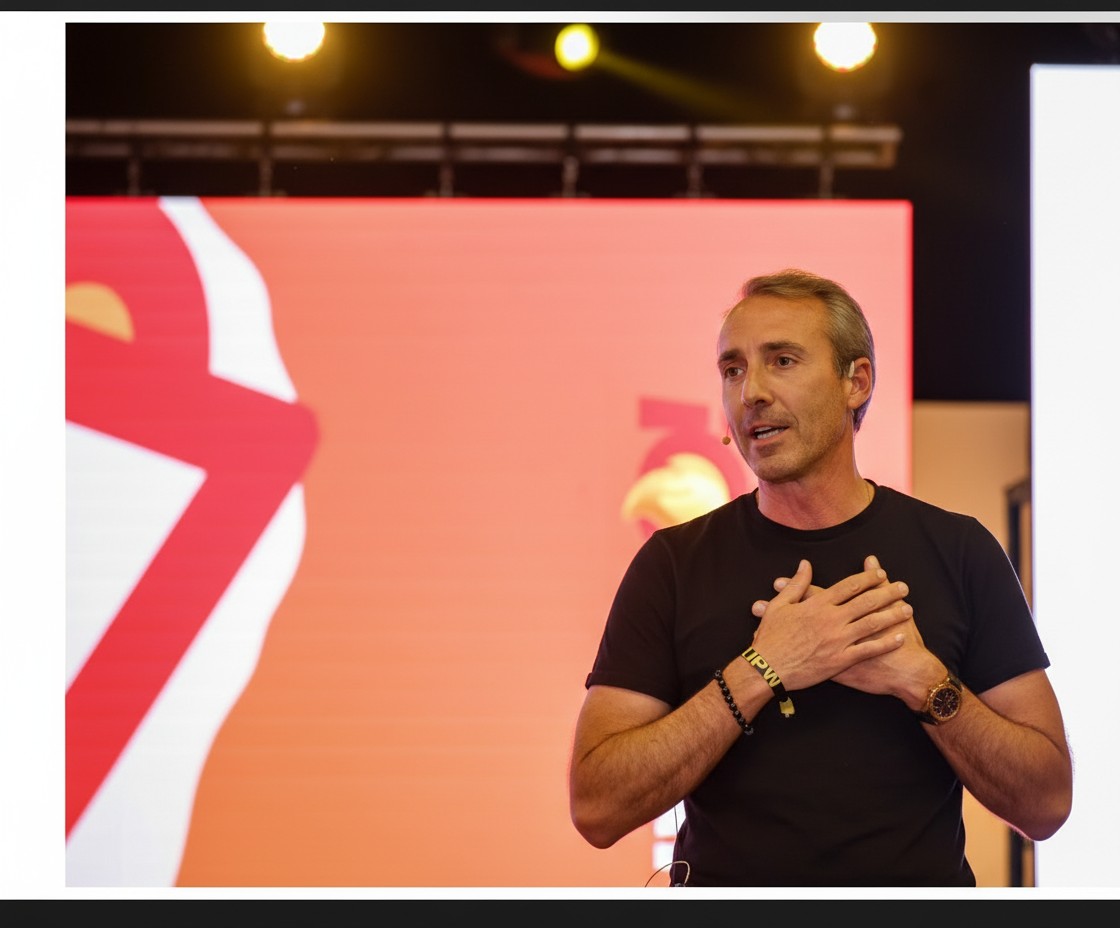
This is exactly what I cover in my "Safety to Soar" keynote and workshop — practical tools for building the kind of culture where dream teams emerge.

Speaker, executive coach and author of Step Back and LEAP.
Let’s talk